The Kenyan government recently announced a plan to improve medical benefits for teachers, focusing on expanding coverage and raising reimbursement levels. According to a report by local media outlet Kenyans.co.ke, this new plan will give teachers access to more comprehensive medical services, including assisted reproductive items related to fertility treatment. For Chinese-language readers who have long followed changes in reproductive medical policy in Africa, this move reflects how emerging markets are gradually incorporating infertility treatment into public healthcare systems, rather than limiting it to a small number of private institutions.
From a policy design perspective, the new plan does not simply increase subsidy amounts, but adjusts the benefit structure so that teachers can receive more substantive cost-sharing when facing higher-cost medical needs. Conventional assisted reproductive technologies such as in vitro fertilization (IVF) and intracytoplasmic sperm injection (ICSI) are items with relatively heavy out-of-pocket burdens in most countries, and if they can be included in public or group insurance, this will bring obvious help to teacher families planning to have children. This round of adjustments in Kenya also echoes the global trend of more and more countries treating infertility as a health issue rather than merely a personal choice.
For Chinese-language readers seeking cross-border medical treatment, the significance of this news lies not in Kenya's own medical standards, but in the observation window it provides: when a country's public welfare begins to cover assisted reproduction, it usually indicates that the country already has a certain foundation in the regulatory framework for related technologies, certification of medical institutions, and medication standards. Families intending to go abroad for IVF, embryo genetic screening, or autologous egg freezing should, when evaluating destinations, pay attention not only to success rates and prices, but also to whether local policies are stable and whether the welfare system recognizes these items, because this is often closely related to medical quality and subsequent protection of rights and interests.
At present, the specific reimbursement details, scope of application, and launch time of this plan are still subject to subsequent official announcements by Kenya. Readers considering cross-border treatment are advised to first confirm the regulatory environment of the target country and the qualifications of clinics, and discuss their own circumstances with professional medical personnel before making suitable plans. Source: Kenyans.co.ke. This article is a compiled report for general informational reference.
This article was prepared with AI assistance and reviewed by our editorial team before publication.
This content is for informational purposes only and does not constitute medical advice. Please consult a licensed physician. Content guidelines & editorial policy




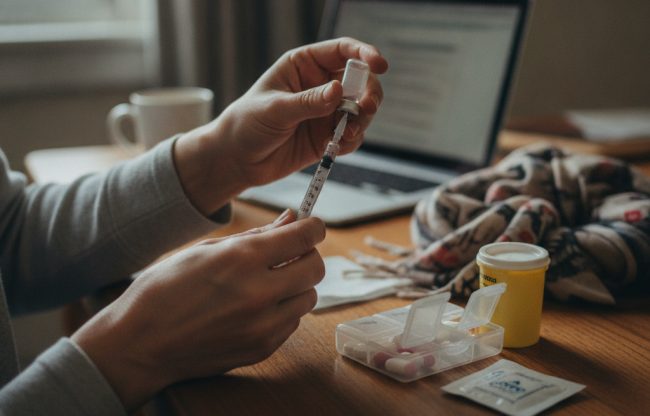



News | Kenya Teachers' Medical Benefits Upgraded: New Plan Includes More Assisted Reproductive Items
The Kenyan government recently announced a plan to improve medical benefits for teachers, focusing on expanding coverage and raising reimbursement levels. According to a report by local media outlet Kenyans.co.ke, this new plan will give teachers access to more comprehensive medical services, including assisted reproductive items related to fertility treatment. For Chinese-language readers who have long followed changes in reproductive medical policy in Africa, this move reflects how emerging markets are gradually incorporating infertility treatment into public healthcare systems, rather than limiting it to a small number of private institutions.
From a policy design perspective, the new plan does not simply increase subsidy amounts, but adjusts the benefit structure so that teachers can receive more substantive cost-sharing when facing higher-cost medical needs. Conventional assisted reproductive technologies such as in vitro fertilization (IVF) and intracytoplasmic sperm injection (ICSI) are items with relatively heavy out-of-pocket burdens in most countries, and if they can be included in public or group insurance, this will bring obvious help to teacher families planning to have children. This round of adjustments in Kenya also echoes the global trend of more and more countries treating infertility as a health issue rather than merely a personal choice.
For Chinese-language readers seeking cross-border medical treatment, the significance of this news lies not in Kenya's own medical standards, but in the observation window it provides: when a country's public welfare begins to cover assisted reproduction, it usually indicates that the country already has a certain foundation in the regulatory framework for related technologies, certification of medical institutions, and medication standards. Families intending to go abroad for IVF, embryo genetic screening, or autologous egg freezing should, when evaluating destinations, pay attention not only to success rates and prices, but also to whether local policies are stable and whether the welfare system recognizes these items, because this is often closely related to medical quality and subsequent protection of rights and interests.
At present, the specific reimbursement details, scope of application, and launch time of this plan are still subject to subsequent official announcements by Kenya. Readers considering cross-border treatment are advised to first confirm the regulatory environment of the target country and the qualifications of clinics, and discuss their own circumstances with professional medical personnel before making suitable plans. Source: Kenyans.co.ke. This article is a compiled report for general informational reference.