A couple in the United States successfully welcomed a baby girl after undergoing in vitro fertilization (IVF), but their joy instantly turned to shock after genetic testing — the child had no biological relationship to them. The couple made the matter public several months ago, hoping to find the baby girl's biological parents through public support. Now, they have announced that they have successfully confirmed the identity of the baby girl's biological parents, but did not disclose specific details, only stating that it was a difficult journey.
It is understood that this incident stemmed from a serious error in the embryo laboratory. During IVF treatment, embryos are usually cryopreserved and implanted once the mother's body is ready. However, during the procedure, laboratory personnel are suspected of mistakenly implanting another couple's embryo into this mother's uterus, causing her to carry a child with no biological relation to her. The couple only discovered after their daughter was born and routine genetic testing was performed that the child was not their biological offspring, and they immediately launched a search effort.
This incident not only shocked American society, but also prompted IVF patients worldwide to begin paying attention to the safety of embryo management. For Chinese-speaking readers who are considering or have already undergone IVF, choosing a reputable reproductive center is crucial. A professional reproductive center should have strict labeling and verification procedures, including double-checking of embryo identity by two people, the use of electronic barcode tracking systems, and regular equipment maintenance and personnel training, in order to eliminate human error.
In addition, undergoing preimplantation genetic testing (PGT) can not only screen for chromosomal abnormalities, but also confirm embryo identity before transfer, increasing the safety of the treatment. PGT technology can detect whether an embryo carries specific genetic diseases, and can also compare the embryo's DNA with parental samples to ensure that the implanted embryo truly belongs to that couple. Although this testing adds extra cost and time, for patients seeking high safety, it is a worthwhile investment in protection.
This incident also reminds us that although IVF treatment is technologically mature, it still relies on rigorous laboratory management and transparent medical communication. When choosing a reproductive center, patients should proactively ask about embryo management procedures, inquire about the institution's past records, and actively participate in every step of the treatment to ensure their own rights and interests. For families who have undergone IVF and successfully become pregnant, if they have doubts about embryo identity, they may consider prenatal genetic testing to detect problems early and seek professional assistance.
Source: MSN. This article is a compiled report and is for general informational reference.
This article was prepared with AI assistance and reviewed by our editorial team before publication.
This content is for informational purposes only and does not constitute medical advice. Please consult a licensed physician. Content guidelines & editorial policy





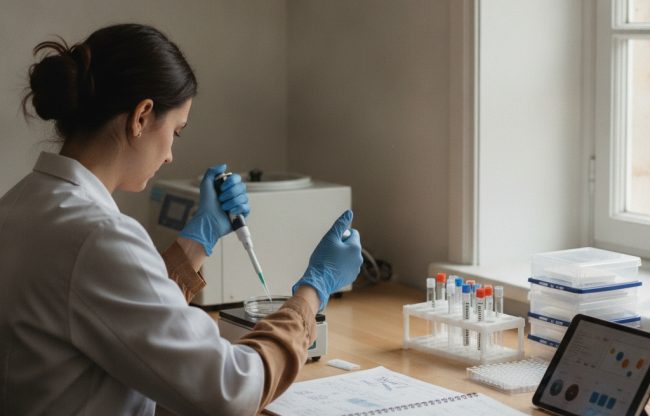


News | IVF embryo mix-up: Baby girl's biological parents finally confirmed months later
A couple in the United States successfully welcomed a baby girl after undergoing in vitro fertilization (IVF), but their joy instantly turned to shock after genetic testing — the child had no biological relationship to them. The couple made the matter public several months ago, hoping to find the baby girl's biological parents through public support. Now, they have announced that they have successfully confirmed the identity of the baby girl's biological parents, but did not disclose specific details, only stating that it was a difficult journey.
It is understood that this incident stemmed from a serious error in the embryo laboratory. During IVF treatment, embryos are usually cryopreserved and implanted once the mother's body is ready. However, during the procedure, laboratory personnel are suspected of mistakenly implanting another couple's embryo into this mother's uterus, causing her to carry a child with no biological relation to her. The couple only discovered after their daughter was born and routine genetic testing was performed that the child was not their biological offspring, and they immediately launched a search effort.
This incident not only shocked American society, but also prompted IVF patients worldwide to begin paying attention to the safety of embryo management. For Chinese-speaking readers who are considering or have already undergone IVF, choosing a reputable reproductive center is crucial. A professional reproductive center should have strict labeling and verification procedures, including double-checking of embryo identity by two people, the use of electronic barcode tracking systems, and regular equipment maintenance and personnel training, in order to eliminate human error.
In addition, undergoing preimplantation genetic testing (PGT) can not only screen for chromosomal abnormalities, but also confirm embryo identity before transfer, increasing the safety of the treatment. PGT technology can detect whether an embryo carries specific genetic diseases, and can also compare the embryo's DNA with parental samples to ensure that the implanted embryo truly belongs to that couple. Although this testing adds extra cost and time, for patients seeking high safety, it is a worthwhile investment in protection.
This incident also reminds us that although IVF treatment is technologically mature, it still relies on rigorous laboratory management and transparent medical communication. When choosing a reproductive center, patients should proactively ask about embryo management procedures, inquire about the institution's past records, and actively participate in every step of the treatment to ensure their own rights and interests. For families who have undergone IVF and successfully become pregnant, if they have doubts about embryo identity, they may consider prenatal genetic testing to detect problems early and seek professional assistance.
Source: MSN. This article is a compiled report and is for general informational reference.