Guide | How to avoid harmful substances while preparing for pregnancy: expert guidance for a healthy start
For women planning a pregnancy, reducing exposure to harmful substances in the body and living environment is important. With so much conflicting information, however, it can be difficult to know where to begin. The author interviewed several experts to create a practical guide to reducing harmful exposures before pregnancy.
1. Nutrition, health, and exercise: three essential foundations
“Get yourself into the best possible health,” said Dr. Joel Evans, author of The Whole Pregnancy Handbook and founder of the Center for Women’s Health in Stamford, Connecticut.
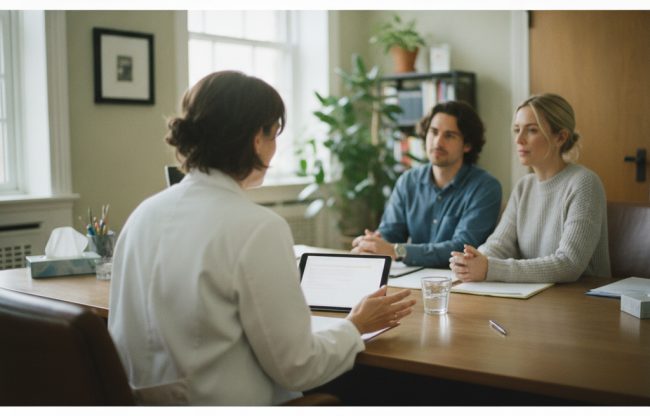
Experts recommend a comprehensive preconception consultation to discuss diet, lifestyle, medications and supplements, and personal and family medical history.
Everyday recommendations include:
Stop smoking and drinking alcohol, and limit caffeine;
Maintain a healthy weight and manage chronic conditions such as diabetes;
Exercise for at least 30 minutes each day;
Eat plenty of fruit, vegetables, and whole grains;
Take folic acid, with 400 micrograms daily generally recommended, to help prevent fetal neural tube defects, particularly early in pregnancy.
Dr. Ted Schettler, author of In Harm’s Way: Toxic Threats to Child Development, noted: “Women with poor nutrition, who are not necessarily underweight, are more vulnerable to environmental toxins.”
2. Is your drinking water safe?
Most tap water is safe, but substantial amounts of lead may enter drinking water through lead pipes, lead solder on copper pipes, or brass faucets.
High lead exposure during pregnancy may increase the risks of miscarriage, preterm birth, low birth weight, and developmental delay.
Recommendations:
Request a Consumer Confidence Report from your water provider;
Test the water if you are concerned about lead;
Install an NSF-certified filter rated to remove lead.
3. Fish: be mindful of mercury without avoiding fish entirely
Mercury can harm the fetal nervous system and may cause learning difficulties. Avoiding fish entirely, however, also means missing protein and omega-3 fatty acids that support fetal brain and vision development.
The FDA and EPA recommend:
Avoid shark, swordfish, king mackerel, and tilefish because of high mercury levels;
Eat no more than 12 ounces, about two meals, of lower-mercury fish per week, such as shrimp, clams, salmon, flounder, catfish, canned light tuna, and tilapia;
Check the safety of freshwater fish, including locally caught river fish, using state advisories or an environmental organization’s seafood guide when needed.
4. Pesticide exposure: a potential risk to fertility and pregnancy
Scientists agree that some pesticides are associated with infertility, miscarriage, and fetal abnormalities. Recommendations for limiting exposure include:
Use natural pest-control methods at home and in the yard;
Choose organic produce when possible. If an entirely organic diet is not practical, the EWG Dirty Dozen list can help prioritize produce with the highest pesticide residues.
5. Cleaning products and indoor air
Commercial cleaners often contain solvents, fragrances, chlorine, ammonia, or other chemicals that may be harmful during pregnancy. Consider natural products or homemade alternatives:
Use baking soda to scrub kitchen grease, cookware, sinks, and bathtubs;
Use vinegar and water on countertops, windows, and other surfaces;
Avoid strongly scented new furniture, carpets, and paint. Low-VOC paint, solid-wood furniture, or used furniture may be safer options.
Homes built before 1978 should be tested for lead paint. Removal must be handled by professionals, and residents should stay elsewhere during the work.
6. Plastics and dry-cleaned clothing
Some studies suggest that plastics containing phthalates may release harmful substances when microwaved. Recommendations:
Use glass containers instead of plastic;
Cover food with a paper towel rather than plastic wrap in the microwave.
Some doctors also recommend limiting dry cleaning, especially at conventional cleaners using perchloroethylene, or perc, which can cross the placenta and enter breast milk. Recommendations:
Choose clothing that does not require dry cleaning;
Use a wet-cleaning or environmentally friendly cleaner;
If dry cleaning is necessary, air clothing outdoors before bringing it inside.
7. Prospective fathers should also reduce harmful exposures
Preparing for pregnancy is not solely the woman’s responsibility. Long-term exposure to pesticides, heavy metals, petrochemicals, radiation, and similar hazards may affect sperm quality and count and may increase the partner’s risk of miscarriage.
Prospective fathers should also limit exposure, undergo a health assessment, and improve diet and lifestyle to support a healthy pregnancy.
Source:
Collected online
Author LinkedIVF TeamPublished 2025-04-13
This article used AI assistance; LinkedIVF has not recorded an editorial review for this item. It is not medical advice.
This content is for informational purposes only and does not constitute medical advice. Please consult a licensed physician. Content guidelines & editorial policy







Guide | How to avoid harmful substances while preparing for pregnancy: expert guidance for a healthy start
Guide | How to avoid harmful substances while preparing for pregnancy: expert guidance for a healthy start
For women planning a pregnancy, reducing exposure to harmful substances in the body and living environment is important. With so much conflicting information, however, it can be difficult to know where to begin. The author interviewed several experts to create a practical guide to reducing harmful exposures before pregnancy.
1. Nutrition, health, and exercise: three essential foundations
“Get yourself into the best possible health,” said Dr. Joel Evans, author of The Whole Pregnancy Handbook and founder of the Center for Women’s Health in Stamford, Connecticut.
Experts recommend a comprehensive preconception consultation to discuss diet, lifestyle, medications and supplements, and personal and family medical history.
Everyday recommendations include:
Stop smoking and drinking alcohol, and limit caffeine;
Maintain a healthy weight and manage chronic conditions such as diabetes;
Exercise for at least 30 minutes each day;
Eat plenty of fruit, vegetables, and whole grains;
Take folic acid, with 400 micrograms daily generally recommended, to help prevent fetal neural tube defects, particularly early in pregnancy.
Dr. Ted Schettler, author of In Harm’s Way: Toxic Threats to Child Development, noted: “Women with poor nutrition, who are not necessarily underweight, are more vulnerable to environmental toxins.”
2. Is your drinking water safe?
Most tap water is safe, but substantial amounts of lead may enter drinking water through lead pipes, lead solder on copper pipes, or brass faucets.
High lead exposure during pregnancy may increase the risks of miscarriage, preterm birth, low birth weight, and developmental delay.
Recommendations:
Request a Consumer Confidence Report from your water provider;
Test the water if you are concerned about lead;
Install an NSF-certified filter rated to remove lead.
3. Fish: be mindful of mercury without avoiding fish entirely
Mercury can harm the fetal nervous system and may cause learning difficulties. Avoiding fish entirely, however, also means missing protein and omega-3 fatty acids that support fetal brain and vision development.
The FDA and EPA recommend:
Avoid shark, swordfish, king mackerel, and tilefish because of high mercury levels;
Eat no more than 12 ounces, about two meals, of lower-mercury fish per week, such as shrimp, clams, salmon, flounder, catfish, canned light tuna, and tilapia;
Check the safety of freshwater fish, including locally caught river fish, using state advisories or an environmental organization’s seafood guide when needed.
4. Pesticide exposure: a potential risk to fertility and pregnancy
Scientists agree that some pesticides are associated with infertility, miscarriage, and fetal abnormalities. Recommendations for limiting exposure include:
Use natural pest-control methods at home and in the yard;
Choose organic produce when possible. If an entirely organic diet is not practical, the EWG Dirty Dozen list can help prioritize produce with the highest pesticide residues.
5. Cleaning products and indoor air
Commercial cleaners often contain solvents, fragrances, chlorine, ammonia, or other chemicals that may be harmful during pregnancy. Consider natural products or homemade alternatives:
Use baking soda to scrub kitchen grease, cookware, sinks, and bathtubs;
Use vinegar and water on countertops, windows, and other surfaces;
Avoid strongly scented new furniture, carpets, and paint. Low-VOC paint, solid-wood furniture, or used furniture may be safer options.
Homes built before 1978 should be tested for lead paint. Removal must be handled by professionals, and residents should stay elsewhere during the work.
6. Plastics and dry-cleaned clothing
Some studies suggest that plastics containing phthalates may release harmful substances when microwaved. Recommendations:
Use glass containers instead of plastic;
Cover food with a paper towel rather than plastic wrap in the microwave.
Some doctors also recommend limiting dry cleaning, especially at conventional cleaners using perchloroethylene, or perc, which can cross the placenta and enter breast milk. Recommendations:
Choose clothing that does not require dry cleaning;
Use a wet-cleaning or environmentally friendly cleaner;
If dry cleaning is necessary, air clothing outdoors before bringing it inside.
7. Prospective fathers should also reduce harmful exposures
Preparing for pregnancy is not solely the woman’s responsibility. Long-term exposure to pesticides, heavy metals, petrochemicals, radiation, and similar hazards may affect sperm quality and count and may increase the partner’s risk of miscarriage.
Prospective fathers should also limit exposure, undergo a health assessment, and improve diet and lifestyle to support a healthy pregnancy.
Source:
Collected online