Knowledge | Does Abnormal Sperm Shape Mean It Cannot Work? Sperm Morphology and Male Fertility Explained
Sperm have more than a count—they also have a shape. In medicine, sperm morphology refers to the structure and appearance of sperm. Although this may sound like an overly detailed aspect of fertility research, sperm shape can affect the chance of becoming a father.
Sperm structure: More than a head and tail
According to WebMD, a typical human sperm has four parts: an oval head, neck, midpiece, and a long moving tail called a flagellum. This structure allows it to swim through the female reproductive tract to an egg for fertilization.
Each sperm carries 23 chromosomes containing the man's genetic information. Scientific criteria for normal morphology are specific: the head should be about 5-6 micrometers long and 2.5-3.5 micrometers wide; the cap-like structure should cover 40%-70% of the head; the head should not contain large vacuoles; and the neck, midpiece, and tail should not be malformed.
Does an unusual shape prevent conception? Not necessarily
Abnormally shaped sperm are described medically as teratospermia, but this does not mean complete infertility. The World Health Organization has stated that even when only 4% of sperm have normal morphology, conception may still be possible.
Some fertility centers use the Kruger strict criteria and categorize fertility potential as follows:
Normal morphology ≥14%: High fertility potential
Normal morphology 4%-14%: Slightly reduced fertility potential
Normal morphology <3%: Significantly reduced fertility potential
Laboratories may differ in how they assess normal morphology, so experts caution against excessive concern over a single abnormal report.
What can cause abnormal sperm?
Experts broadly divide morphological abnormalities into two groups:
Primary abnormalities: Congenital structural problems, such as a missing acrosome or flagellum, that often seriously impair sperm function.
Secondary abnormalities: Often caused by environmental factors during ejaculation and generally have less effect.
In rare conditions such as globozoospermia, sperm lack a key component needed to activate the egg, making natural conception extremely difficult.
Sperm morphology is only part of the picture
Fertility assessment involves more than sperm appearance. A semen report should be evaluated across several measures, including:
Total sperm count
Concentration
Percentage of living sperm
Motility
Total semen volume
Even a high percentage of abnormal sperm may only mean conception takes longer, not that pregnancy is impossible.
When needed, assisted reproductive technologies including in vitro fertilization (IVF) can bypass morphological problems and achieve fertilization.
Steps that may support sperm morphology
Men are encouraged to follow a healthy lifestyle because sperm continually change:
“Today's sperm are not tomorrow's sperm.”
The male body produces new sperm every day, and lifestyle changes may improve sperm quality.
Recommendations include:
Exercise regularly and manage weight
Avoid smoking, excessive alcohol, and recreational drugs
Eat a balanced diet with plenty of fruit and vegetables
Although improvement is not guaranteed, these habits can support overall sperm health.
Story source:
Collected online
Author LinkedIVF TeamPublished 2025-05-21
This article used AI assistance; LinkedIVF has not recorded an editorial review for this item. It is not medical advice.
This content is for informational purposes only and does not constitute medical advice. Please consult a licensed physician. Content guidelines & editorial policy




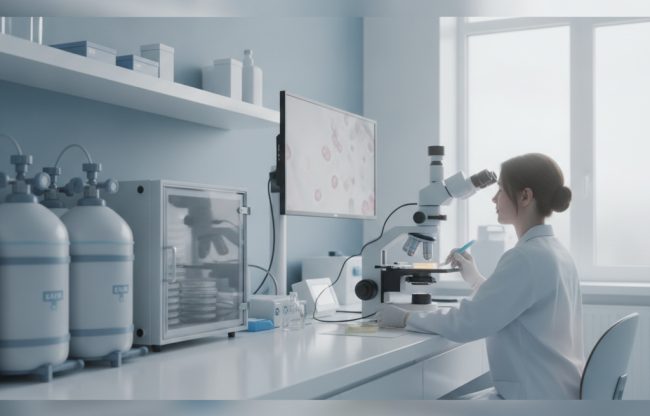



Knowledge | Does Abnormal Sperm Shape Mean It Cannot Work? Sperm Morphology and Male Fertility Explained
Knowledge | Does Abnormal Sperm Shape Mean It Cannot Work? Sperm Morphology and Male Fertility Explained
Sperm have more than a count—they also have a shape. In medicine, sperm morphology refers to the structure and appearance of sperm. Although this may sound like an overly detailed aspect of fertility research, sperm shape can affect the chance of becoming a father.
Sperm structure: More than a head and tail
According to WebMD, a typical human sperm has four parts: an oval head, neck, midpiece, and a long moving tail called a flagellum. This structure allows it to swim through the female reproductive tract to an egg for fertilization.
Each sperm carries 23 chromosomes containing the man's genetic information. Scientific criteria for normal morphology are specific: the head should be about 5-6 micrometers long and 2.5-3.5 micrometers wide; the cap-like structure should cover 40%-70% of the head; the head should not contain large vacuoles; and the neck, midpiece, and tail should not be malformed.
Does an unusual shape prevent conception? Not necessarily
Abnormally shaped sperm are described medically as teratospermia, but this does not mean complete infertility. The World Health Organization has stated that even when only 4% of sperm have normal morphology, conception may still be possible.
Some fertility centers use the Kruger strict criteria and categorize fertility potential as follows:
Normal morphology ≥14%: High fertility potential
Normal morphology 4%-14%: Slightly reduced fertility potential
Normal morphology <3%: Significantly reduced fertility potential
Laboratories may differ in how they assess normal morphology, so experts caution against excessive concern over a single abnormal report.
What can cause abnormal sperm?
Experts broadly divide morphological abnormalities into two groups:
Primary abnormalities: Congenital structural problems, such as a missing acrosome or flagellum, that often seriously impair sperm function.
Secondary abnormalities: Often caused by environmental factors during ejaculation and generally have less effect.
In rare conditions such as globozoospermia, sperm lack a key component needed to activate the egg, making natural conception extremely difficult.
Sperm morphology is only part of the picture
Fertility assessment involves more than sperm appearance. A semen report should be evaluated across several measures, including:
Total sperm count
Concentration
Percentage of living sperm
Motility
Total semen volume
Even a high percentage of abnormal sperm may only mean conception takes longer, not that pregnancy is impossible.
When needed, assisted reproductive technologies including in vitro fertilization (IVF) can bypass morphological problems and achieve fertilization.
Steps that may support sperm morphology
Men are encouraged to follow a healthy lifestyle because sperm continually change:
“Today's sperm are not tomorrow's sperm.”
The male body produces new sperm every day, and lifestyle changes may improve sperm quality.
Recommendations include:
Exercise regularly and manage weight
Avoid smoking, excessive alcohol, and recreational drugs
Eat a balanced diet with plenty of fruit and vegetables
Although improvement is not guaranteed, these habits can support overall sperm health.
Story source:
Collected online