A 70-year-old woman has given birth to twins following IVF treatment, three years after her previous delivery. Safina Namukwaya delivered a boy and a girl at a fertility center in Kampala, Uganda, becoming one of the oldest documented women to give birth.
The premature babies, born at 31 weeks, were placed in incubators, but doctors said they were stable.
Women’s Hospital International and Fertility Centre described the event as historic and reported that the mother and babies were well, calling it an “extraordinary achievement.” Ms. Namukwaya, who delivered by cesarean section, told local media it was a “miracle.”
She told Uganda's Daily Monitor that the pregnancy, after the birth of a daughter in 2020, had been very difficult because her partner left when he learned she was expecting twins.
“Men do not like being told that you are carrying more than one child,” she said. “Since I was admitted here, my man has never appeared.”
Ms. Namukwaya said her desire for children came from being mocked for being childless when she was younger. “I cared for other people's children and watched them grow up and leave me. I wondered who would care for me when I grew old.”
“They say every child brings their blessing,” she told a Nigerian television station.
Women usually enter menopause between ages 45 and 55, reducing fertility, but medical advances—particularly in vitro fertilization (IVF)—have made childbirth possible beyond that age.
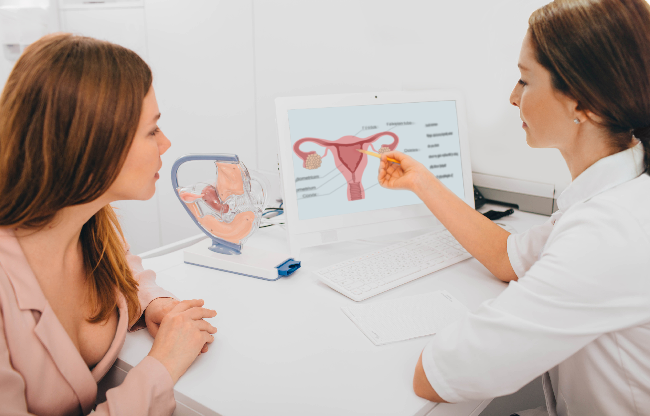
The process involves retrieving eggs from a woman's ovaries, fertilizing them with sperm in a laboratory, and placing the resulting embryos in the uterus to develop.
In Ms. Namukwaya's case, it is unclear whether she used eggs frozen when she was younger or donor eggs.







News | 70-year-old Ugandan woman gives birth to twins
A 70-year-old woman has given birth to twins following IVF treatment, three years after her previous delivery. Safina Namukwaya delivered a boy and a girl at a fertility center in Kampala, Uganda, becoming one of the oldest documented women to give birth.
The premature babies, born at 31 weeks, were placed in incubators, but doctors said they were stable.
Women’s Hospital International and Fertility Centre described the event as historic and reported that the mother and babies were well, calling it an “extraordinary achievement.” Ms. Namukwaya, who delivered by cesarean section, told local media it was a “miracle.”
She told Uganda's Daily Monitor that the pregnancy, after the birth of a daughter in 2020, had been very difficult because her partner left when he learned she was expecting twins.
“Men do not like being told that you are carrying more than one child,” she said. “Since I was admitted here, my man has never appeared.”
Ms. Namukwaya said her desire for children came from being mocked for being childless when she was younger. “I cared for other people's children and watched them grow up and leave me. I wondered who would care for me when I grew old.”
“They say every child brings their blessing,” she told a Nigerian television station.
Women usually enter menopause between ages 45 and 55, reducing fertility, but medical advances—particularly in vitro fertilization (IVF)—have made childbirth possible beyond that age.
The process involves retrieving eggs from a woman's ovaries, fertilizing them with sperm in a laboratory, and placing the resulting embryos in the uterus to develop.
In Ms. Namukwaya's case, it is unclear whether she used eggs frozen when she was younger or donor eggs.
Story source:
Online sources