

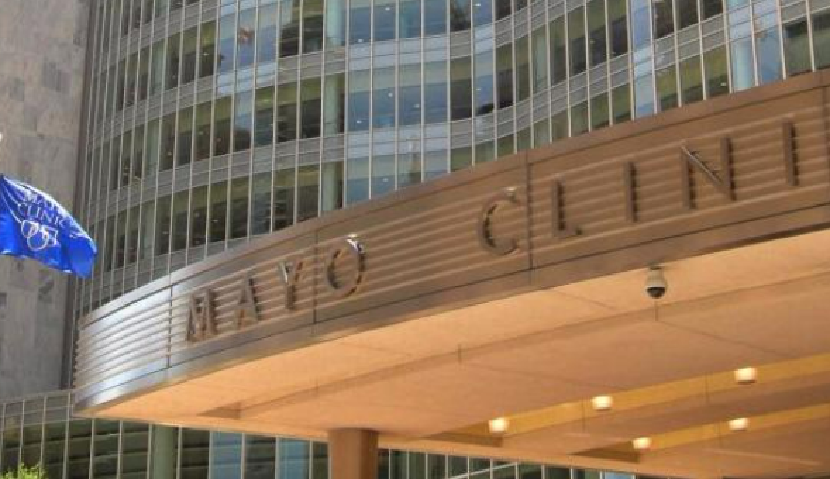
Mayo Clinic, United States


If you have a condition related to infertility, including uterine fibroids, recurrent miscarriage, abnormal uterine bleeding, endometriosis, or a risk of inherited disease in offspring, you can consult specialists in Reproductive Endocrinology and Infertility. Our physicians are leaders in managing complex fertility concerns, including infertility, cancer and fertility (oncofertility), diminished ovarian reserve, recurrent miscarriage, uterine fibroids, endometriosis, congenital uterine abnormalities, and conditions that pose a risk of inherited disease in offspring.
Mayo Clinic offers a comprehensive approach to diagnosing and treating fertility-related conditions, including fertility preservation and ovarian transplantation. The clinic also has a state-of-the-art IVF laboratory with an incubation system that enables real-time observation of embryo development. Mayo Clinic is one of the few U.S. clinics offering this technology. Our physicians specialize in preserving fertility for people of reproductive age with serious illnesses whose treatment may impair future fertility.
Your Mayo Clinic visit may include evaluations by physicians in other specialties, along with comprehensive diagnostic testing and consultation. Reproductive Endocrinology and Infertility physicians are board-certified in obstetrics and gynecology and reproductive endocrinology and infertility.
Reproductive Surgery
Many gynecologic procedures can reduce fertility. Our reproductive surgeons focus on techniques that may preserve or optimize fertility potential. Specialists use minimally invasive approaches to treat uterine fibroids, endometriosis, uterine polyps, intrauterine adhesions, and uterine or fallopian tube abnormalities. They also perform outpatient microsurgery to reverse tubal ligation and offer innovative fibroid treatments such as robotic myomectomy and MR-guided focused ultrasound surgery.
Fertility Preservation
Fertility preservation services include:
Freezing unfertilized eggs (oocyte cryopreservation)
Freezing fertilized eggs (embryo cryopreservation)
Freezing ovarian tissue (ovarian tissue cryopreservation)
Freezing sperm (sperm cryopreservation)
Mayo Clinic Children's Center offers a fertility preservation program for children at risk of fertility impairment from medical treatment.
Fertility Services Success
Web Resources
Society for Assisted Reproductive Technology: What are my chances of success with ART?
Mayo Clinic Success Rates
Society for Assisted Reproductive Technology: Clinic Summary Report
The success of Mayo Clinic's fertility services is the result of a team committed to providing care with compassion, expertise, and innovation.
If you are seeking fertility services, it is understandable to want reassurance that you are choosing a successful program. Keep in mind that success rates vary with many individual factors. Your reproductive endocrinologist is best equipped to help assess the chance of success in your situation.
Success rates for in vitro fertilization (IVF) programs are readily available to the public. When choosing a fertility provider, you may be tempted to compare programs by success rates. However, although many clinics and IVF programs publish success rates, the Centers for Disease Control and Prevention and the Society for Assisted Reproductive Technology (SART) recognize that direct comparisons between clinics are not possible:
Clinics have different patient populations and practice styles.
Programs vary widely in how they screen people before an IVF cycle and may be reluctant to care for people with particularly challenging medical histories or conditions.
Embryo Development Technology
At Mayo Clinic, fertility specialists provide high-quality care through expertise, attention to detail, and innovation. Time-lapse imaging of embryo development is one example of innovative technology used by Mayo Clinic fertility specialists to support optimal patient outcomes.
LGBT Services
Many people in the lesbian, gay, bisexual, and transgender (LGBT) community face unique challenges when building a family.
Mayo Clinic's assisted reproductive technology program supports the reproductive needs of this community by offering a range of reproductive services for family building, including:
Donor sperm insemination
Egg donation
Gestational carrier cycles
Use of both a gestational carrier and an egg donor
The first step is to schedule a consultation with a provider in Reproductive Endocrinology and Infertility to discuss options and develop a plan suited to your needs.

Free estimate
-
Monday
-
Tuesday
-
Wednesday
-
Thursday
-
Friday
-
Saturday
-
Sunday
- Closed Now
 Credit cards accepted

Reproductive Medicine |
Years of experience | Consultations 31


Reproductive Medicine |
Years of experience | Consultations 52

Reproductive Medicine |
Years of experience | Consultations 32

Reproductive Medicine |
Years of experience | Consultations 41

Reproductive Medicine |
Years of experience | Consultations 28


81 ratings
- 5 stars
- 4 stars
- 3 stars
- 2 stars
- 1 stars

A de sal
3 months ago


Jacob Englen
2 months ago


Leroy Brown
3 months ago

T J
3 months ago

Jayden Knipfer
3 months ago

Melissa DeJesus
3 months ago


Robert Riddell
4 months ago


CHAD KOEP
6 months ago

Logan Olson
6 months ago

Anna Baker
6 months ago

Aww Scrammm
5 months ago


Emily Carroll
6 months ago

Candice Peters
6 months ago

Meghan MacArdy
6 months ago

Natalie Coninx
6 months ago

Dianna Panchuk
6 months ago


Jules Densberger
7 months ago

Trenton Talburt
7 months ago

Mama Bear
7 months ago


Erik
8 months ago


Henry
8 months ago

Melodie Schwartz
9 months ago

Katie
9 months ago


M8
8 months ago

Alex Rodriguez
10 months ago

Bruce Boettcher
10 months ago

kevin Luehmann
9 months ago


Billie Klimek
10 months ago


Lisa
11 months ago


Jenny Nguyen
11 months ago


Nia McClary
1 year ago

Abby Reynolds
1 year ago

Amy Mahlstedt
12 months ago

Pops Maellard
12 months ago

Jordan Kipper
1 year ago


TC Pharaoh
1 year ago

Jordan Hall
1 year ago


Greg Mills
1 year ago

Sajib Ghosh
1 year ago

Jemima Heppner
1 year ago


cem sevinc
2 years ago


Lee Howell
2 years ago

B S
2 years ago


Lindsay Daniel
2 years ago

pia cacciatore
2 years ago


T.W. Day
2 years ago

Dianne Marliere
2 years ago

Local Treatment Guides
Rochester, United States IVF Clinic GuideIVF in the USA: Clinics, Costs and Success RatesPeople Also Ask
What documents are required for IVF treatment abroad? Can I choose the baby's sex with overseas IVF? What supplements are recommended when trying to conceive at an advanced maternal age? What tests should be done after trying to conceive for one year without pregnancy? Why does my ovulation test keep showing a strong positive?Free Fertility Advisor Support
 Get Free Information Help
-
5 doctors

-
Operating for many years

-
PGT IVF

-
Clinic Address
 200 1st St SW, Rochester, MN 55905, United States


CDC Cumulative Live-Birth Rates
Data source: U.S. CDC 2022 Annual ART Report (12-month cumulative live-birth rate per intended egg retrieval; own eggs)
-
Annual Total Cycles
864 -
U.S. Cycle Median
511
Clinic Appointment
Please complete the form so we can provide the best support and help you begin your journey to parenthood.

 Back to Top
 Share on Facebook
 Share on X


