Gaudium IVF, India's first publicly listed in-vitro fertilization (IVF) company, recently announced the official launch of its flagship laboratory in New Delhi. The laboratory incorporates artificial intelligence (AI) technology aimed at improving the precision of embryo selection and cultivation. This move not only marks a technological upgrade for the company in the field of assisted reproduction, but also kicks off its nationwide expansion plan. As the first publicly listed company on India's capital markets focused exclusively on IVF services, Gaudium IVF's step has drawn significant industry attention, because it may set a new benchmark for technology adoption among other peers.
According to the company, the AI laboratory will use machine learning algorithms to analyze embryo development data, helping embryologists more accurately select embryos with the highest implantation potential, thereby improving IVF success rates. Traditionally, embryo assessment has relied primarily on embryologists' microscopic observation and experience-based judgment. The introduction of AI technology can provide more objective and more detailed decision support through comparison of large volumes of images and data. This technology is especially meaningful for older patients or those who have experienced multiple failed cycles, because such patients often have a limited number of embryos. If selection can be made precisely, it can reduce unnecessary treatment cycles and psychological burden, while also lowering overall medical costs.
Gaudium IVF also announced the launch of an expansion plan for 19 new centers, expected to be completed within the next two years, covering multiple major cities across India. The company emphasized that all new centers will be equipped with AI-assisted systems to ensure consistent service quality. This expansion strategy shows that Gaudium IVF is not only focused on technological leadership, but is also actively building a nationwide service network to meet India's growing demand for assisted reproduction. In recent years, the incidence of infertility in India has continued to rise, and with changing social attitudes, the number of couples seeking IVF assistance has increased markedly. Expectations for standardized, high-efficiency services have also risen accordingly.
For Chinese-language readers considering cross-border medical treatment, this development means the technological threshold for IVF services in India is rising, and AI-assisted embryo selection may become a standard feature in the future. However, when choosing overseas treatment, one should still comprehensively consider the medical institution's accreditation, physician experience, and personal physical condition, and consult professional medical advice. In addition, patients should understand that while AI technology can improve success rates, it is not a panacea. The final outcome is still influenced by multiple factors, including age, ovarian function, and sperm quality. Therefore, before deciding to undergo treatment in India or another country, thorough evaluation and preparation are essential.
Source: irishsun.com. This is a compiled report for general information purposes only.
This article was prepared with AI assistance and reviewed by our editorial team before publication.
This content is for informational purposes only and does not constitute medical advice. Please consult a licensed physician. Content guidelines & editorial policy


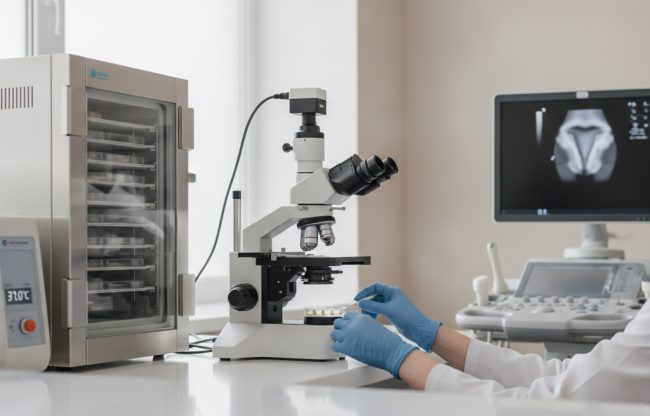





News | India's first listed IVF company Gaudium IVF launches AI laboratory, initiates 19 center expansion plan
Gaudium IVF, India's first publicly listed in-vitro fertilization (IVF) company, recently announced the official launch of its flagship laboratory in New Delhi. The laboratory incorporates artificial intelligence (AI) technology aimed at improving the precision of embryo selection and cultivation. This move not only marks a technological upgrade for the company in the field of assisted reproduction, but also kicks off its nationwide expansion plan. As the first publicly listed company on India's capital markets focused exclusively on IVF services, Gaudium IVF's step has drawn significant industry attention, because it may set a new benchmark for technology adoption among other peers.
According to the company, the AI laboratory will use machine learning algorithms to analyze embryo development data, helping embryologists more accurately select embryos with the highest implantation potential, thereby improving IVF success rates. Traditionally, embryo assessment has relied primarily on embryologists' microscopic observation and experience-based judgment. The introduction of AI technology can provide more objective and more detailed decision support through comparison of large volumes of images and data. This technology is especially meaningful for older patients or those who have experienced multiple failed cycles, because such patients often have a limited number of embryos. If selection can be made precisely, it can reduce unnecessary treatment cycles and psychological burden, while also lowering overall medical costs.
Gaudium IVF also announced the launch of an expansion plan for 19 new centers, expected to be completed within the next two years, covering multiple major cities across India. The company emphasized that all new centers will be equipped with AI-assisted systems to ensure consistent service quality. This expansion strategy shows that Gaudium IVF is not only focused on technological leadership, but is also actively building a nationwide service network to meet India's growing demand for assisted reproduction. In recent years, the incidence of infertility in India has continued to rise, and with changing social attitudes, the number of couples seeking IVF assistance has increased markedly. Expectations for standardized, high-efficiency services have also risen accordingly.
For Chinese-language readers considering cross-border medical treatment, this development means the technological threshold for IVF services in India is rising, and AI-assisted embryo selection may become a standard feature in the future. However, when choosing overseas treatment, one should still comprehensively consider the medical institution's accreditation, physician experience, and personal physical condition, and consult professional medical advice. In addition, patients should understand that while AI technology can improve success rates, it is not a panacea. The final outcome is still influenced by multiple factors, including age, ovarian function, and sperm quality. Therefore, before deciding to undergo treatment in India or another country, thorough evaluation and preparation are essential.
Source: irishsun.com. This is a compiled report for general information purposes only.