A cancer diagnosis for young women entails not only the challenges of the disease itself but also potential concerns about the impact of treatment on fertility. Chemotherapy, radiotherapy, or surgery may impair ovarian function, leading to temporary or permanent infertility. However, with advances in reproductive medicine, patients have the opportunity to preserve fertility through fertility preservation techniques before treatment, retaining hope for future childbearing.
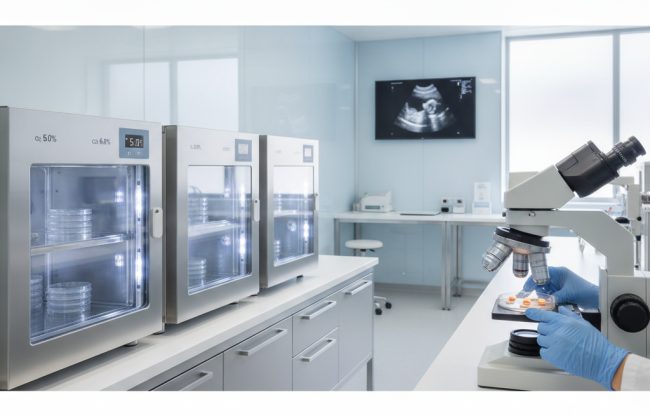
Common fertility preservation methods include oocyte cryopreservation and embryo cryopreservation. Oocyte cryopreservation is suitable for unmarried women or those without a current partner; mature oocytes are obtained through hormonal ovarian stimulation and preserved using vitrification technology. Embryo cryopreservation requires a source of sperm (from a partner or donor); oocytes are fertilized to form embryos, which are then frozen. Both techniques require a stimulation cycle of approximately 2-3 weeks, which may delay the start of cancer treatment, so coordination with the oncology team regarding timing is necessary.
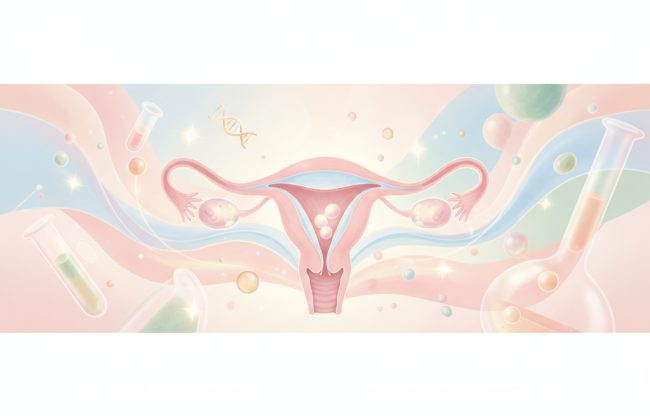
For patients who need to begin treatment immediately and cannot wait for a stimulation cycle, ovarian tissue cryopreservation is another option. This technique involves laparoscopic surgery to remove a portion of the ovarian cortex, which is then frozen and later transplanted back into the body to restore endocrine function and fertility potential. This method does not require hormonal stimulation and is applicable to prepubertal girls or those requiring urgent treatment, but it remains an experimental technique with success rates varying among individuals.
The decision-making process is often accompanied by stress and uncertainty; supportive care scales (such as the Decisional Conflict Scale) can help patients clarify their values and information needs. The scale assesses patients' knowledge of options, value clarity, perceived support, and decision certainty, assisting the healthcare team in providing individualized counseling. Research shows that using the scale can reduce decisional conflict and enhance patients' satisfaction with their chosen option.
The healthcare team should include reproductive endocrinologists, oncologists, psychologists, and nurses to jointly discuss the pros and cons, timing, and success rates of fertility preservation. Patients should understand that preservation techniques do not guarantee future successful pregnancy but can increase the possibility. Additionally, certain cancer types (such as hormone-sensitive tumors) may require adjustments to the stimulation protocol to reduce risks.
This article provides general scientific information and does not constitute individualized medical advice; please consult professional medical institutions for specific diagnosis and treatment.
Published 2026-08-08
This article was prepared with AI assistance and reviewed by our editorial team before publication.
This content is for informational purposes only and does not constitute medical advice. Please consult a licensed physician. Content guidelines & editorial policy





How can women with cancer preserve their fertility? The Nursing Support Scale helps with decision-making.
A cancer diagnosis for young women entails not only the challenges of the disease itself but also potential concerns about the impact of treatment on fertility. Chemotherapy, radiotherapy, or surgery may impair ovarian function, leading to temporary or permanent infertility. However, with advances in reproductive medicine, patients have the opportunity to preserve fertility through fertility preservation techniques before treatment, retaining hope for future childbearing.
Common fertility preservation methods include oocyte cryopreservation and embryo cryopreservation. Oocyte cryopreservation is suitable for unmarried women or those without a current partner; mature oocytes are obtained through hormonal ovarian stimulation and preserved using vitrification technology. Embryo cryopreservation requires a source of sperm (from a partner or donor); oocytes are fertilized to form embryos, which are then frozen. Both techniques require a stimulation cycle of approximately 2-3 weeks, which may delay the start of cancer treatment, so coordination with the oncology team regarding timing is necessary.
For patients who need to begin treatment immediately and cannot wait for a stimulation cycle, ovarian tissue cryopreservation is another option. This technique involves laparoscopic surgery to remove a portion of the ovarian cortex, which is then frozen and later transplanted back into the body to restore endocrine function and fertility potential. This method does not require hormonal stimulation and is applicable to prepubertal girls or those requiring urgent treatment, but it remains an experimental technique with success rates varying among individuals.
The decision-making process is often accompanied by stress and uncertainty; supportive care scales (such as the Decisional Conflict Scale) can help patients clarify their values and information needs. The scale assesses patients' knowledge of options, value clarity, perceived support, and decision certainty, assisting the healthcare team in providing individualized counseling. Research shows that using the scale can reduce decisional conflict and enhance patients' satisfaction with their chosen option.
The healthcare team should include reproductive endocrinologists, oncologists, psychologists, and nurses to jointly discuss the pros and cons, timing, and success rates of fertility preservation. Patients should understand that preservation techniques do not guarantee future successful pregnancy but can increase the possibility. Additionally, certain cancer types (such as hormone-sensitive tumors) may require adjustments to the stimulation protocol to reduce risks.
This article provides general scientific information and does not constitute individualized medical advice; please consult professional medical institutions for specific diagnosis and treatment.