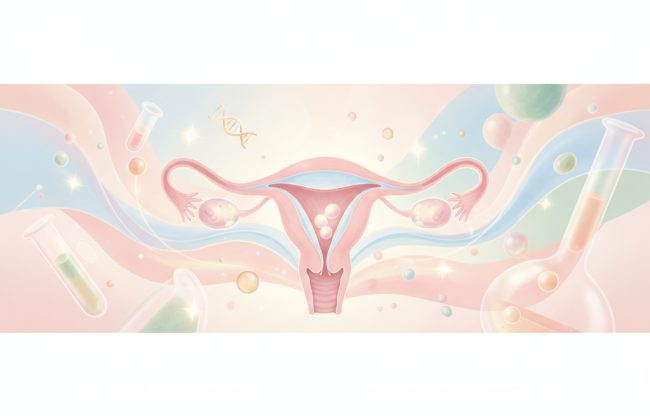
According to a report in New Scientist magazine, a study on embryo culture conditions for in vitro fertilization (IVF) has found that lowering the oxygen concentration in the culture environment may help embryos develop more healthily. Traditionally, laboratories typically culture embryos using oxygen levels close to atmospheric concentration (approximately 20%), but the oxygen concentration inside the human uterus is actually much lower, ranging from about 2% to 8%. Researchers speculate that simulating the low-oxygen environment in the body can reduce the damage caused by oxidative stress to embryos, thereby improving embryo quality and subsequent implantation rates.
The study reviewed data from multiple clinical trials, comparing outcomes of embryos cultured under low oxygen (approximately 5%) versus high oxygen (approximately 20%) conditions. Preliminary analysis showed that embryos in the low-oxygen group exhibited better indicators in blastocyst formation rate, cell number, and gene expression. Although some trials have not yet reached statistical significance, the overall trend points to potential benefits from low-oxygen culture. For patients currently undergoing IVF treatment, this finding suggests that laboratory conditions may be further optimized in the future to improve the chances of success in a single treatment cycle.
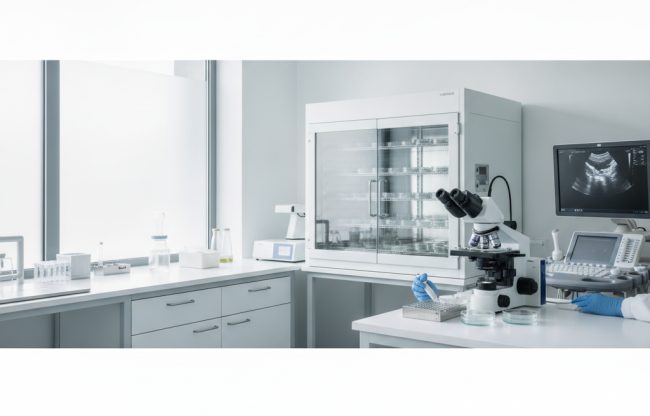
Experts emphasize that this conclusion still requires validation through larger randomized controlled trials, and that equipment and operational procedures at different laboratories may affect the results. Currently, some advanced reproductive centers have begun adopting low-oxygen culture systems, but this has not yet become a global standard. For individuals considering IVF, it is recommended to discuss culture condition options with their physicians and to understand the technical details of their own clinic. This study serves as another reminder that even minor adjustments to the in vitro environment can have profound effects on embryo development.
Source: New Scientist. This article is a translated report provided for general informational reference.
Published 2026-08-11
This article was prepared with AI assistance and reviewed by our editorial team before publication.
This content is for informational purposes only and does not constitute medical advice. Please consult a licensed physician. Content guidelines & editorial policy




News | IVF embryos may develop better in low-oxygen environments
According to a report in New Scientist magazine, a study on embryo culture conditions for in vitro fertilization (IVF) has found that lowering the oxygen concentration in the culture environment may help embryos develop more healthily. Traditionally, laboratories typically culture embryos using oxygen levels close to atmospheric concentration (approximately 20%), but the oxygen concentration inside the human uterus is actually much lower, ranging from about 2% to 8%. Researchers speculate that simulating the low-oxygen environment in the body can reduce the damage caused by oxidative stress to embryos, thereby improving embryo quality and subsequent implantation rates.
The study reviewed data from multiple clinical trials, comparing outcomes of embryos cultured under low oxygen (approximately 5%) versus high oxygen (approximately 20%) conditions. Preliminary analysis showed that embryos in the low-oxygen group exhibited better indicators in blastocyst formation rate, cell number, and gene expression. Although some trials have not yet reached statistical significance, the overall trend points to potential benefits from low-oxygen culture. For patients currently undergoing IVF treatment, this finding suggests that laboratory conditions may be further optimized in the future to improve the chances of success in a single treatment cycle.
Experts emphasize that this conclusion still requires validation through larger randomized controlled trials, and that equipment and operational procedures at different laboratories may affect the results. Currently, some advanced reproductive centers have begun adopting low-oxygen culture systems, but this has not yet become a global standard. For individuals considering IVF, it is recommended to discuss culture condition options with their physicians and to understand the technical details of their own clinic. This study serves as another reminder that even minor adjustments to the in vitro environment can have profound effects on embryo development.
Source: New Scientist. This article is a translated report provided for general informational reference.