

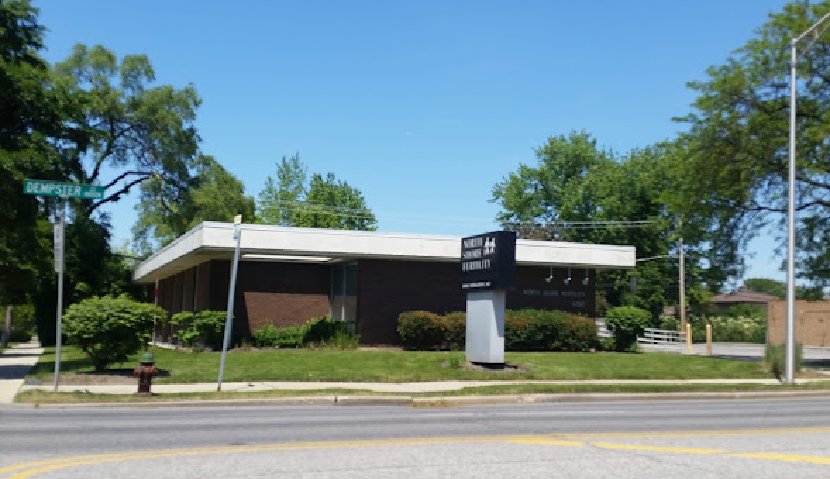
North Shore Fertility, United States


Fertility Evaluation
At your initial consultation with Dr. Borkowski, she will ask for your complete medical history. After getting to know you, she will arrange an infertility evaluation with examinations and tests to identify possible reasons why you and your partner have not conceived. Testing includes blood tests for hormones such as thyroid-stimulating hormone, prolactin, follicle-stimulating hormone, estradiol, and anti-Müllerian hormone. An imaging study of the uterus and fallopian tubes called a sonohysterogram will be scheduled to assess the uterine cavity and tubal patency. A semen analysis will also be ordered to check for male-factor issues.
Intrauterine Insemination
Intrauterine insemination is a fertility treatment in which prepared sperm is placed directly into the uterus around the time of ovulation. IUI aims to increase the number of sperm reaching the fallopian tubes and improve the chance of conception. Sperm may come from a partner or an anonymous donor. Although IUI can be performed during a natural cycle, many studies show that pregnancy rates improve significantly when it is combined with ovulation medications such as clomiphene citrate or human menopausal gonadotropins.
INVOCell
INVOCell is an intravaginal culture system used as an alternative to IVF for infertility treatment. Treatment with INVOcell is similar to conventional IVF, except fertilization and early embryo development occur in a device inside the vagina rather than in a laboratory. It may be an option for people seeking a more natural approach to IVF. Because embryos are not incubated in a laboratory, INVOcell may also cost considerably less than conventional IVF.
In Vitro Fertilization
In vitro fertilization is an assisted reproductive technology (ART) that begins with retrieving multiple eggs from the ovaries. The eggs are prepared and either combined with sperm for fertilization or injected with sperm through intracytoplasmic sperm injection (ICSI). The resulting embryos are cultured in the laboratory to the blastocyst stage (5 days). At the end of 5 days, high-quality embryos are graded and then transferred to the uterus or frozen for a future cycle. IVF is a preferred treatment for many infertility conditions, including damaged fallopian tubes, ovulatory disorders, male-factor infertility, endometriosis, previous sterilization, genetic disorders, LGBTQ family building, and failure of other procedures. IVF is widely used worldwide and has the highest success rate among ART procedures.
Preimplantation Genetic Testing
Preimplantation genetic testing (PGT) is used during IVF to screen embryos for genetic conditions that may cause infertility, miscarriage, or birth defects. A small group of cells is removed from a developing embryo and its DNA is analyzed for genetic conditions. This allows prescreened, chromosomally normal embryos to be transferred to the uterus, reducing the risk of implantation failure, miscarriage, and birth defects. PGT may be recommended for patients with long-term unexplained infertility, known genetic conditions, recurrent miscarriage, a family history of genetic disease, or age over 35.
Donor Eggs
Common indications for donor eggs include premature ovarian failure, diminished ovarian reserve, multiple failed IVF attempts, and transmissible genetic conditions that could affect offspring. North Shore Fertility works closely with leading egg-donor agencies nationwide and can guide you through selecting a donor. Although eggs may be retrieved from a fresh donor, the recent growth of frozen egg banks across the country has created an attractive option for patients who have undergone years of unsuccessful infertility treatment and do not want another lengthy process. Frozen donor eggs have already been retrieved from thoroughly screened donors and can be shipped and used promptly. Frozen donor eggs may also be a more affordable IVF option than fresh eggs.
Donor Sperm
Couples may use donor sperm when a partner has no sperm, very low semen parameters, or a genetic condition in the sperm that could be passed to a child. Single women who want a biological child and LGBTQ couples also use donor sperm. Sperm may come from a man known to the recipient (known donor) or an anonymous man (anonymous donor). Anonymous donor sperm is often faster and more cost-effective because the donor has already been medically screened and the sperm has been analyzed, frozen, and prepared for shipment. North Shore Fertility has longstanding relationships with several frozen donor sperm banks nationwide and can guide you through selecting and using donor sperm.
LGBTQ Family Building
Same-sex and transgender couples have unique fertility needs and often choose among a range of infertility treatments. Options include IUI, IVF, donor eggs, donor sperm, and fertility preservation. Dr. Borkowski has helped gay, lesbian, and transgender patients for many years and would be honored to assist you. North Shore Fertility offers IUI and IVF with donor sperm or eggs. Egg and sperm freezing can preserve future fertility for people who wish to delay pregnancy or undergo gender-affirming treatment. These procedures offer LGBTQ patients excellent opportunities to build the families they envision.
Egg Freezing
Egg freezing, also called oocyte cryopreservation, preserves a woman's ability to become pregnant in the future. It is commonly used to delay childbearing or before radiation therapy or chemotherapy for cancer. The process involves taking fertility medications for about one week to stimulate multiple eggs. The eggs are then retrieved from the ovaries, frozen, and stored for future use. Because the eggs are not fertilized, they can later be thawed and fertilized with known or anonymous, fresh or frozen sperm, allowing for several future options. Overall pregnancy rates with frozen eggs are favorable, but eggs frozen at a younger age are more likely to result in pregnancy.

Free estimate
-
Monday
07: 00 - 14: 00
-
Tuesday
07: 00 - 14: 00
-
Wednesday
07: 00 - 14: 00
-
Thursday
07: 00 - 14: 00
-
Friday
07: 00 - 14: 00
-
Saturday
Closed
-
Sunday
Closed
- Open Now
 Credit cards accepted

Reproductive Medicine |
Years of experience | Consultations 42


6 ratings
- 5 stars
- 4 stars
- 3 stars
- 2 stars
- 1 stars

Sara Schroeder
8 months ago


Elizabeth Maldonado
2 years ago


Nicki Padron-Glass
2 years ago
Local Treatment Guides
IVF in the USA: Clinics, Costs and Success RatesPeople Also Ask
What documents are required for IVF treatment abroad? Can I choose the baby's sex with overseas IVF? What supplements are recommended when trying to conceive at an advanced maternal age? What tests should be done after trying to conceive for one year without pregnancy? Why does my ovulation test keep showing a strong positive?Free Fertility Advisor Support
 Get Free Information Help
-
1 doctor

-
Operating for many years

-
PGT IVF

-
Clinic Address
 5225 Old Orchard Rd #17, Skokie, IL 60077, United States


CDC Cumulative Live-Birth Rates
Data source: U.S. CDC 2022 Annual ART Report (12-month cumulative live-birth rate per intended egg retrieval; own eggs)
-
Annual Total Cycles
210 -
U.S. Cycle Median
511
Clinic Appointment
Please complete the form so we can provide the best support and help you begin your journey to parenthood.

 Back to Top
 Share on Facebook
 Share on X


